
Why current carbon claims fall short
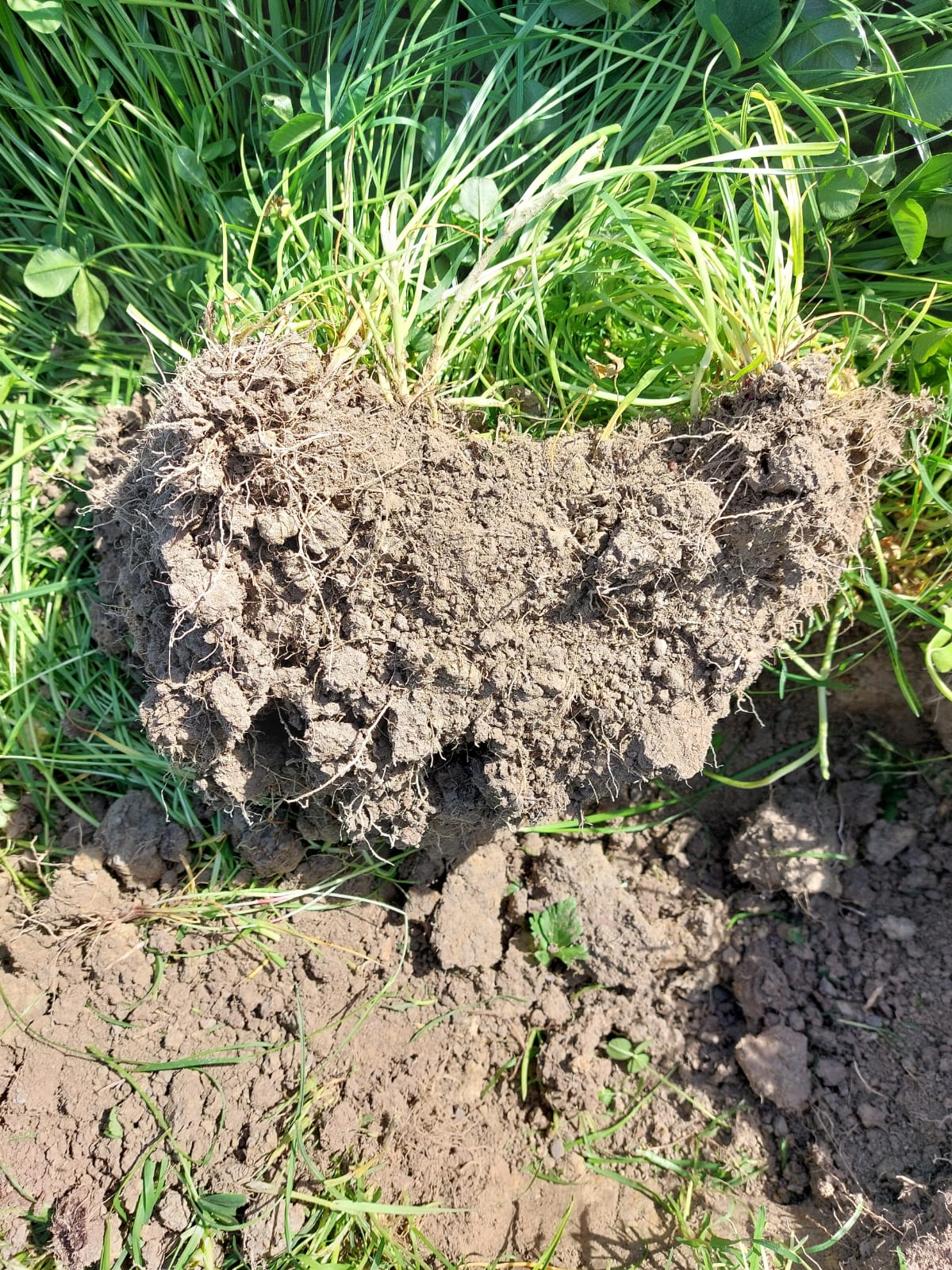
Grasslands are increasingly promoted as a nature based climate solution, particularly through regenerative grazing and soil carbon credit markets. But the evidence on how grazing affects soil carbon is mixed. Moderate grazing can stimulate plant productivity and carbon inputs, while heavy grazing can strip carbon out through compaction and biomass removal, and the outcome depends heavily on context.
Current carbon accounting frameworks mostly rely on bulk soil carbon measurements and simplified turnover models. They rarely capture the biological processes, particularly soil microbial and faunal communities, that actually determine whether carbon is stabilised in soil or lost again through respiration. That gap is what Soil Steps addresses.
The research questions
- How do soil physical and chemical properties (organic matter, structure, pH) influence nematode trophic structure in grasslands?
- How does grazing intensity alter plant productivity, soil carbon inputs, and nematode community composition?
- How does nematode trophic structure regulate carbon turnover and nitrogen mineralisation?
What Soil Steps measures
Soil, vegetation, microbial, and faunal data are collected seasonally across grassland sites spanning low, moderate, and intensive grazing management. Soil sampling covers physical properties (texture, bulk density, moisture, aggregate stability), chemical properties (pH, CEC, total and inorganic nitrogen, phosphorus, C:N ratio), and carbon fractionation that distinguishes labile from stabilised pools: permanganate oxidisable carbon (POXC), particulate organic matter, and mineral associated organic matter (MAOM).
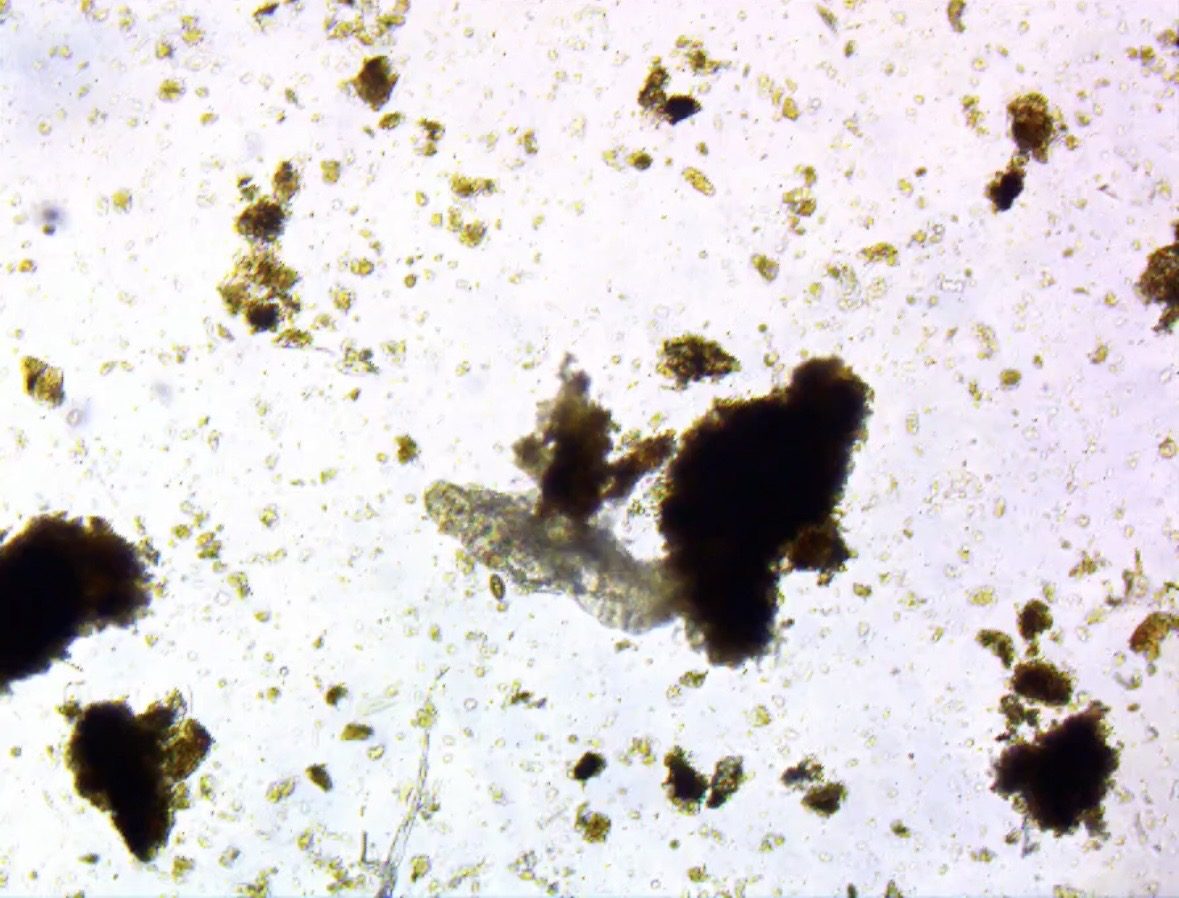
Vegetation productivity is estimated from aboveground biomass, litter, and root biomass. Microbial activity is assessed through microbial biomass carbon and nitrogen, CO2 respiration, and potentially mineralizable nitrogen. Soil food web structure is assessed by extracting nematodes (the Baermann funnel method) and classifying them into functional trophic groups: bacterivores, fungivores, herbivores, omnivores, and predators, using established faunal indices and metabolic footprints to estimate carbon and energy flow through trophic pathways.
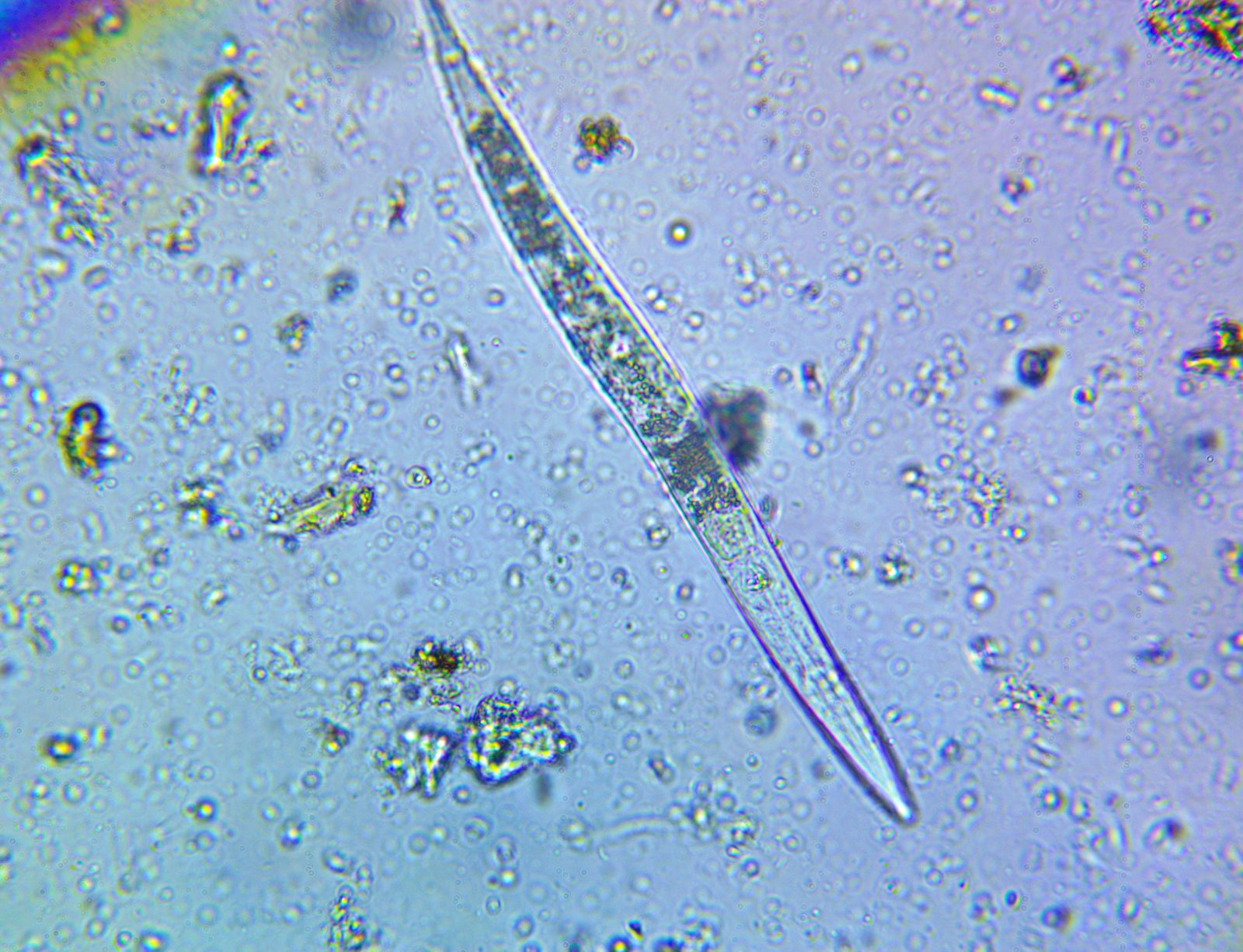
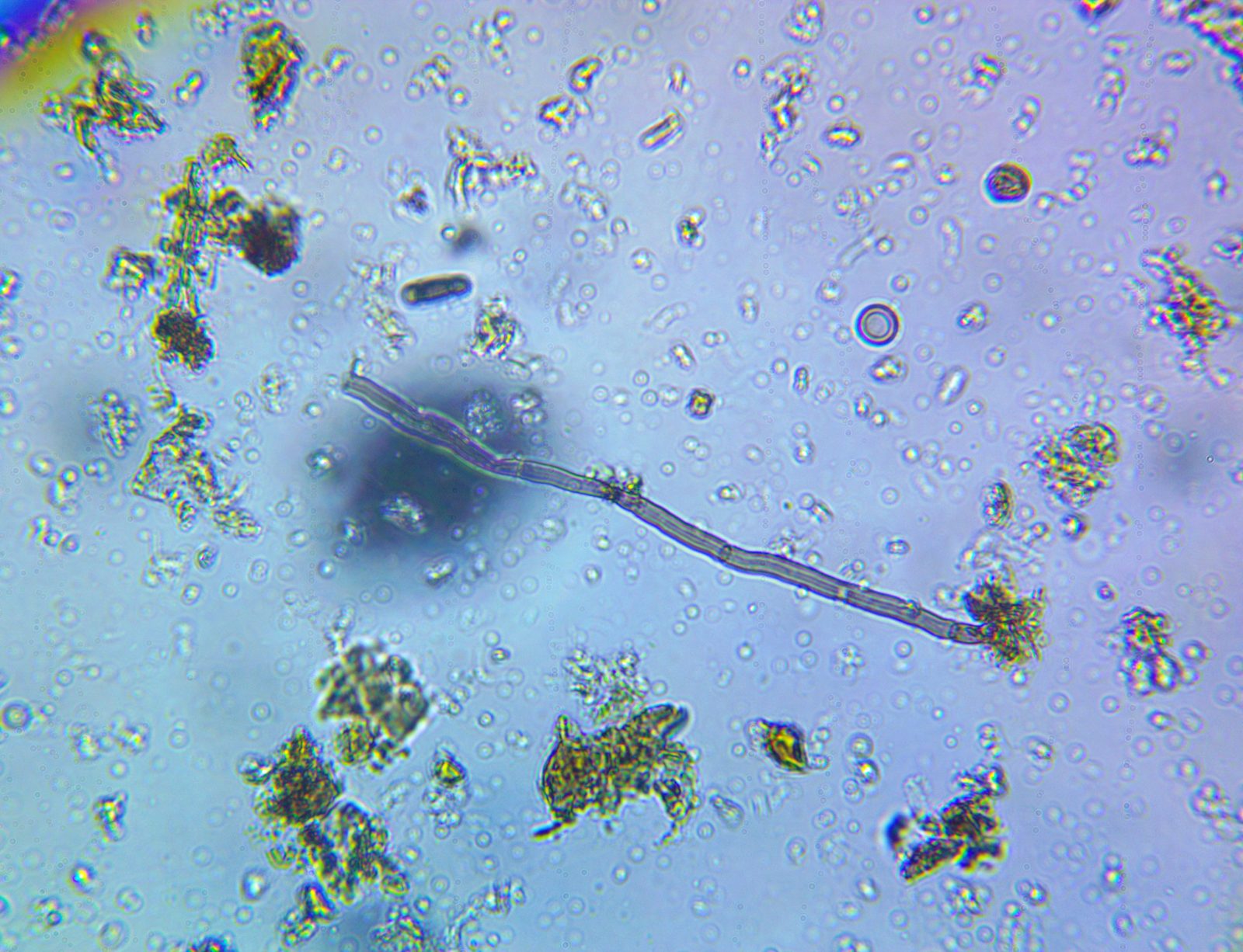
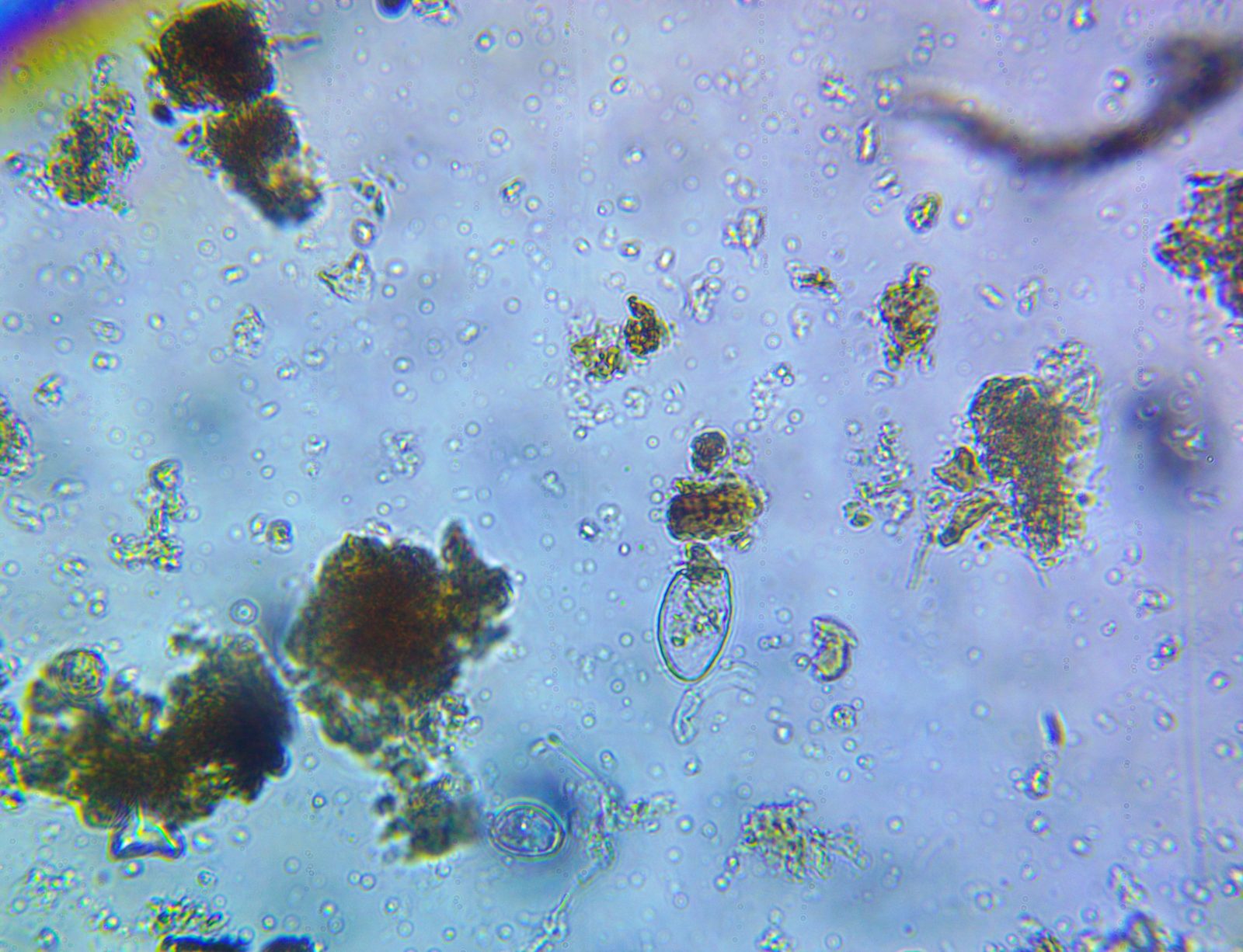
Analysis uses linear mixed effects models and redundancy analysis in R to relate grazing intensity to soil and biological variables, and structural equation modelling to test the full mechanistic cascade from grazing, through vegetation inputs and soil chemistry, to microbial activity, nematode trophic structure, and carbon and nitrogen cycling, as one connected system rather than isolated pairwise relationships.
Why it matters beyond academia
This research sits close to my day job. As investment in regenerative grazing and soil carbon credit projects accelerates, carbon claims are often made without mechanistic biological validation, a real source of both scientific and financial risk.
A microbial and food web informed carbon model can flag where projected carbon gains are likely overstated (transition risk), where microbial metabolism is vulnerable to drought or warming (physical climate risk), and where declining soil biological complexity signals reduced ecosystem resilience. That is directly relevant to nature related financial disclosure requirements, including TNFD, that companies are now expected to report against.
Dissemination
Findings are intended for academic, policy, and farmer facing audiences. At least three peer reviewed journal articles are planned across the project, targeting journals including Soil Biology & Biochemistry and Global Change Biology, alongside conference presentations, annual summaries for participating farms and industry partners, and a final policy facing report on grazing management and soil carbon.
Publications & outputs

In progress
Forthcoming
Peer reviewed articles from my Soil Steps PhD research, covering soil carbon dynamics, nitrogen cycling, and soil food web structure under grazing intensity gradients.
Peer reviewed & policy publications
Peart, G.; Vousough-Ahmadi, B.; Barratt, A.
"Farmer Responses to Brexit: Intentions to engage in public good provision." Published for the Scottish Government's Brexit preparation policy planning division. First author.
Peart, G.
"Conserving Farm Animal Genetic Resources in the UK: The Future Post Brexit." Livestock policy paper, presented at the 30th International Congress of Agricultural Economists, Vancouver, 2018.
Dissertation
Peart, G.
"Breeder Motives and Values in UK Native Cattle Conservation." MSc dissertation, Scottish Rural College. Analysed farmers' views on the value of rare and native breed cattle compared with globalised breeds, and produced a cost optimisation model of livestock biotechnology integration in modern cattle farming systems.
Supervision and funding
I'm supervised by William Stiles and Sarah Watson-Jones, IBERS, Aberystwyth University. This research is supported by Regeno, with additional external sponsorship from Soil Steps Ltd.